
The "Mad Men" Era

Definition
Direct response marketing is a type of marketing strategy that aims to elicit an immediate, measurable response from the audience. The primary focus is on encouraging the audience to take specific actions, such as making a purchase, signing up for a newsletter, or requesting more information. This form of marketing often includes a clear call-to-action and is designed to generate a direct and quantifiable response.
Examples - pre-internet
-
Direct Mail Campaigns: Sending targeted promotional materials, such as postcards, catalogs, or flyers, via postal mail with a clear call-to-action for recipients to respond.
-
Telemarketing: Engaging with potential customers over the phone to promote products or services and encourage immediate responses, such as making a purchase or scheduling an appointment.
-
Print Advertising with Coupons: Placing print advertisements in newspapers or magazines that included coupons for readers to cut out and use for discounts or special offers.
-
Magazine Inserts and Bind-ins: Placing promotional materials, such as order forms or response cards, directly within magazines for readers to fill out and send in.
-
Infomercials on Television: Broadcasting extended commercials on television that provided information about a product or service and encouraged viewers to call a toll-free number to make a purchase.
-
Radio Advertising with Call-to-Action: Running radio advertisements that included a clear call-to-action, such as calling a specific phone number to take advantage of a limited-time offer.
-
Door-to-Door Sales: Sending sales representatives door-to-door to promote and sell products, often with the ability for customers to make a purchase on the spot.
-
Printed Catalogs with Order Forms: Distributing printed catalogs showcasing a range of products along with order forms for customers to mail in or call to place orders.
-
Classified Ads with Response Options: Placing classified ads in newspapers with response options, such as asking readers to send a self-addressed stamped envelope for more information or to receive a free sample.
-
Product Demonstrations at Retail Stores: Conducting in-store product demonstrations where customers could experience the product firsthand and make a purchase immediately.
The Masters of Direct Response
Worth a study in your spare time.
Their copyrighting methods are still VERY applicable to writing effects ad's that drive traffic.
Several individuals are widely regarded as some of the world’s greatest direct response marketers, having made significant contributions to the field.
David Ogilvy: Often referred to as the “Father of Advertising,” Ogilvy was known for his expertise in both traditional and direct response advertising. His principles and insights continue to influence marketers worldwide.
Gary Halbert: Renowned for his copywriting skills, Halbert is considered one of the greatest direct response copywriters. His letters and promotions were highly effective in driving immediate responses.
Dan Kennedy: A prolific author and marketing strategist, Kennedy is recognized for his work in direct response marketing. He has shared valuable insights through his books and seminars.
Joe Sugarman: An innovator in direct response marketing, Sugarman is famous for his work in copywriting and product marketing. His book “Triggers” is considered a classic in the field.
Eugene Schwartz: A legendary copywriter, Schwartz is known for his timeless principles outlined in his book “Breakthrough Advertising.” His insights into market awareness and copywriting have influenced many marketers.
Jay Abraham: A strategic marketer and business consultant, Abraham is known for his expertise in direct response marketing and has provided guidance to numerous businesses seeking growth.
Claude Hopkins: Often regarded as one of the pioneers of direct response advertising, Hopkins is best known for his work on campaigns such as “Pepsodent” and his book “Scientific Advertising.”
John Caples: A distinguished copywriter, Caples is recognized for his influential work in direct response advertising. His book “Tested Advertising Methods” remains a classic resource for marketers.
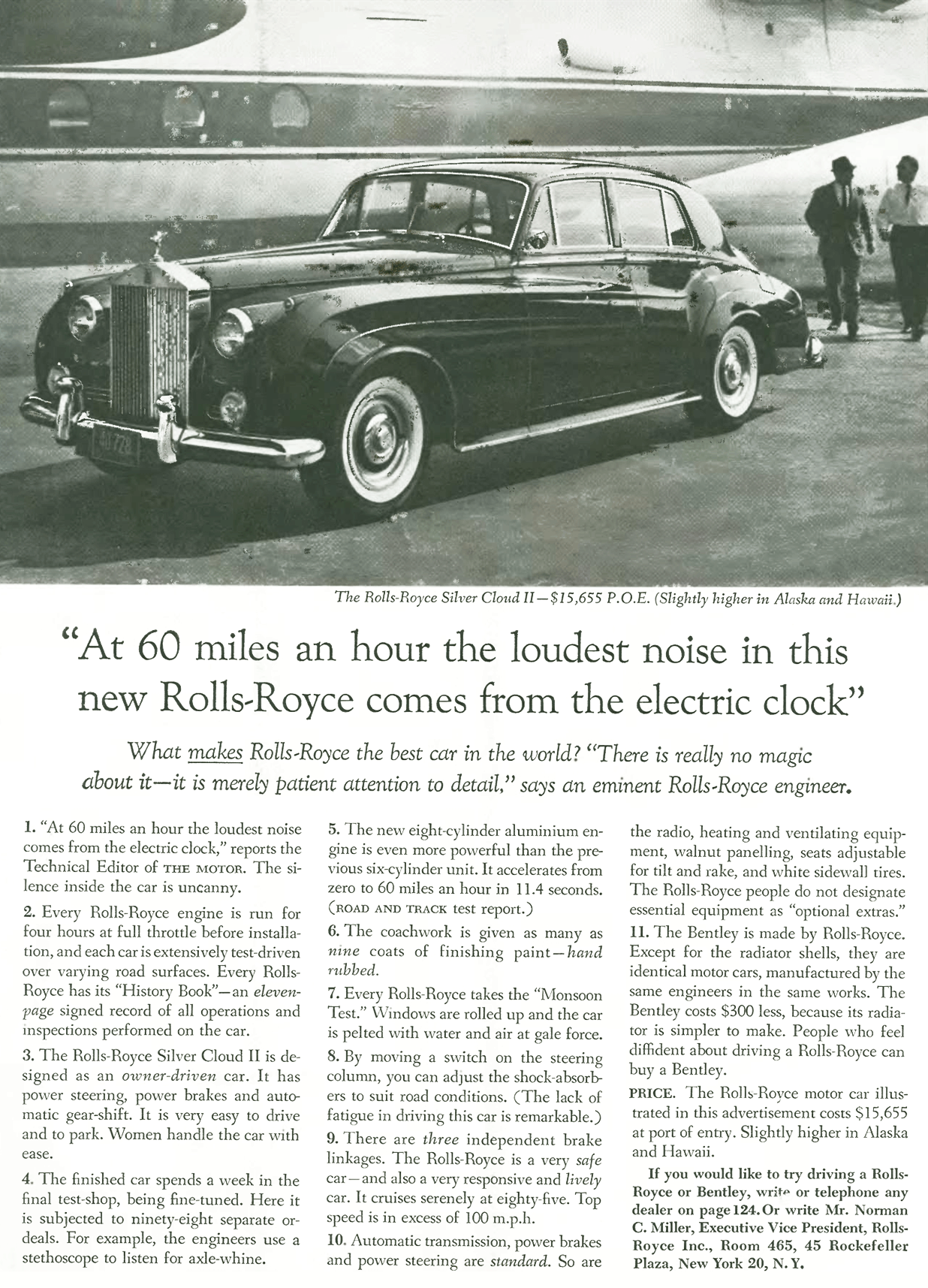
Ogilvy's famous Rolls Royce Ad
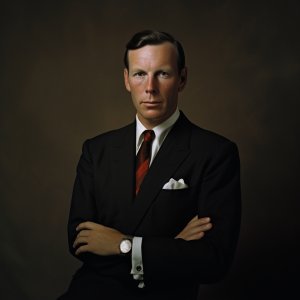
David Ogilvy (1911–1999) was a highly influential and well-respected figure in the advertising industry. Born on June 23, 1911, in West Horsley, Surrey, England, Ogilvy became known as the “Father of Advertising” due to his significant contributions to the field. His impact on advertising and marketing is enduring, and his principles continue to shape the industry.
Oligvy’s Core Principiles
- Test Everything: Ogilvy was a strong advocate for testing and measuring advertising effectiveness. He believed in using data and analytics to determine what worked and what didn’t.
- Research is Key: Ogilvy emphasized the importance of thorough research. He believed in understanding the consumer, the product, and the competition before creating an advertising campaign.
- Sell the Benefits: Instead of focusing solely on product features, Ogilvy recommended highlighting the benefits to the consumer. He emphasized the importance of understanding what the product could do for the customer.
- Headlines Matter: Ogilvy considered headlines as critical elements in advertising. He believed that the headline was the most important part of an ad and could determine its success.
- Long-Form Copy: Contrary to some prevailing opinions at the time, Ogilvy supported the use of long-form copy in advertising, as long as it was engaging and provided valuable information.
- The Customer is Not a Moron: Ogilvy’s famous quote is “The consumer isn’t a moron; she’s your wife.” He emphasized treating the audience with respect and intelligence, avoiding condescension.
- Big Ideas: Ogilvy believed in the power of big ideas. He encouraged creativity and innovation, emphasizing that a powerful concept could make a significant impact.
- Professional Discipline: Ogilvy advocated for professionalism and discipline in advertising. He believed in setting high standards for quality and attention to detail.
- Brand Image: Building a strong brand image was central to Ogilvy’s approach. He emphasized the importance of consistency in branding to create a memorable and trustworthy image.
- Be Honest: Ogilvy believed in the honesty and transparency of advertising. He discouraged misleading or deceptive tactics, emphasizing that honesty builds trust with consumers.
The Ogilvy Formula
The Ogilvy Formula provides a strategic approach to crafting print advertisements. Despite its origins over 60 years ago, the principles remain relevant today.
Ogilvy advocated for advertising based on thorough knowledge of the target audience, rejecting patronizing tones prevalent in ads of his time.
His famous assertion, “the customer is not a moron, she’s your wife,” underscores the need for respectful and informative communication.
The Ogilvy Formula outlines five essential elements for a print ad: visual, caption, headline, copy, and signature. Ogilvy’s research indicated their order of importance, with the visual component holding the greatest impact on customers.
- According to the formula, the image, dominating approximately 3/4 of the page, should be positioned at the top.
- A concise caption follows, with the headline in a larger, bold typeface to capture attention.
- Approximately 240 words of editorial-style copy provide detailed information, culminating in a signature containing company contact details.
The basic layout proposed by Ogilvy, emphasizing the visual impact and strategic arrangement of elements, remains influential. Many iconic print ads from the ’50s, ’60s, and ’70s adhered to the Ogilvy Formula.
For instance, the Volkswagen ‘Think Small’ ad, often hailed as one of the best advertisements ever, exemplifies the application of the Ogilvy Formula in print advertising.
Persuasion Techniques used in Direct Response Marketing
Persuasion is a crucial element in direct response marketing to prompt immediate action from the audience. Here is a list of persuasion techniques commonly used in direct response marketing:
Scarcity/Urgency:
- Creating a sense of scarcity or urgency to motivate immediate action. Limited-time offers or exclusive deals can drive a quick response.
Limited-Time Offers:
- Introducing promotions or discounts with a specified expiration date, encouraging customers to take advantage of the offer promptly.
Social Proof:
- Leveraging testimonials, reviews, or endorsements to demonstrate that others have positively experienced and benefited from the product or service.
Authority:
- Establishing credibility by showcasing industry experts, certifications, or endorsements from authoritative figures to build trust with the audience.
Emotional Appeal:
- Evoking emotions such as joy, fear, or excitement to connect with the audience on a personal level and drive them to take action.
Benefit-Focused Messaging:
- Emphasizing the direct benefits and advantages of the product or service to illustrate its value and relevance to the customer.
Clear Call-to-Action (CTA):
- Using compelling and action-oriented language in the CTA to clearly instruct the audience on what specific action to take (e.g., “Buy now,” “Subscribe today”).
Risk Reversal:
- Offering guarantees, warranties, or trial periods to alleviate the perceived risk for customers, making them more likely to take action.
Personalization:
- Tailoring messages and offers to individual preferences or characteristics to increase relevance and resonance with the target audience.
Visual Appeal:
- Utilizing visually appealing elements, such as high-quality images, graphics, or videos, to capture attention and convey the value of the offer.
Storytelling:
- Using compelling narratives or stories to engage customers emotionally and create a connection with the brand or product.
Free Samples or Trials:
- Offering free samples or trial periods to allow customers to experience the product or service before making a commitment, reducing barriers to entry.
Comparative Marketing:
- Highlighting product features, advantages, or pricing in comparison to competitors to position the offering as superior or more favorable.
Consistency Principle:
- Encouraging small commitments or actions from the audience initially, making them more likely to follow through with larger commitments later.
Reward Programs:
- Implementing loyalty programs or rewards for repeat customers, encouraging ongoing engagement and repeat business.
Copywriting
Copywriting is the art and skill of writing text (referred to as “copy”) for the purpose of advertising or other forms of marketing communication. The primary goal of copywriting is to persuade and motivate the target audience to take a specific action, such as making a purchase, subscribing to a service, or engaging with a brand.
Key aspects of copywriting include:
- Persuasive Language: Copywriters use persuasive language to create compelling messages that resonate with the target audience. This involves understanding the audience’s needs, desires, and pain points.
- Clarity and Conciseness: Effective copywriting is clear, concise, and to the point. It communicates the key message in a way that is easy for the audience to understand.
- Emotional Appeal: Copywriters often leverage emotional appeal to connect with the audience on a personal level. Emotional triggers can influence purchasing decisions and create a memorable impact.
- Call-to-Action (CTA): Every piece of copy usually includes a call-to-action, instructing the audience on what specific action to take. This could be to buy a product, sign up for a newsletter, or visit a website.
- Understanding the Product or Service: Copywriters need a deep understanding of the product or service they are promoting. This knowledge allows them to highlight key features, benefits, and unique selling points.
- Adaptability to Different Mediums: Copywriting is adaptable to various mediums, including print, digital, social media, radio, and television. The tone and style may vary based on the platform and target audience.
- Storytelling: Storytelling is a powerful tool in copywriting. Narratives can captivate the audience’s attention, making the message more memorable and engaging.
